
Selling a luxury home in Santa Monica is different from listing a typical property. Your buyer may live across town or across the world, and they expect a polished, story‑driven presentation from the first click. You want a plan that protects your time, privacy, and price while putting your home in front of the right buyers fast.
This guide walks you through a proven, white‑glove plan that covers pricing context, presentation, media, distribution, digital campaigns, timelines, budgets, and what to measure. You will know exactly where to invest, what to expect, and how to market with confidence. Let’s dive in.
Santa Monica luxury market at a glance
Public portals place typical Santa Monica home values in the mid‑millions, but the luxury submarket trades well above those citywide medians. Prime corridors like North of Montana, Ocean Avenue and the Riviera include properties that command several million and higher. Month‑to‑month numbers can swing due to low sales counts, so your pricing should rely on the most recent local comps.
Your likely buyer pool includes local LA professionals, relocation clients, and an international component. National data shows international buyers represent meaningful dollar volume and often purchase at higher price points, which matters for a coastal luxury listing. You want a marketing plan that reaches both national and global audiences, supported by compliant advertising and curated broker outreach. For context on international activity, review the National Association of REALTORS® summary of recent foreign buyer trends.
Nail presentation first
Stage for lifestyle impact
Staging helps buyers visualize how they will live in a home. In the National Association of REALTORS® Profile of Home Staging, many buyer agents report staging makes it easier for buyers to see a property as a future home, and listing agents often see faster sales and modest price lifts. You can explore the findings in the NAR Profile of Home Staging.
Focus on the rooms that sell. Prioritize the living room, kitchen and dining, and the primary suite. For larger estates, consider a hybrid strategy: physical staging for hero spaces and virtual staging for secondary rooms to control cost and speed. If you use virtual staging, be sure images are labeled according to MLS rules. This virtual staging compliance guide is a helpful reference.
Plan your budget. Luxury staging can range from a few thousand dollars to tens of thousands depending on scope and rental duration. Virtual staging is far less expensive, typically priced per image. See a cost comparison in this virtual vs. traditional staging overview.
Invest in photography and video
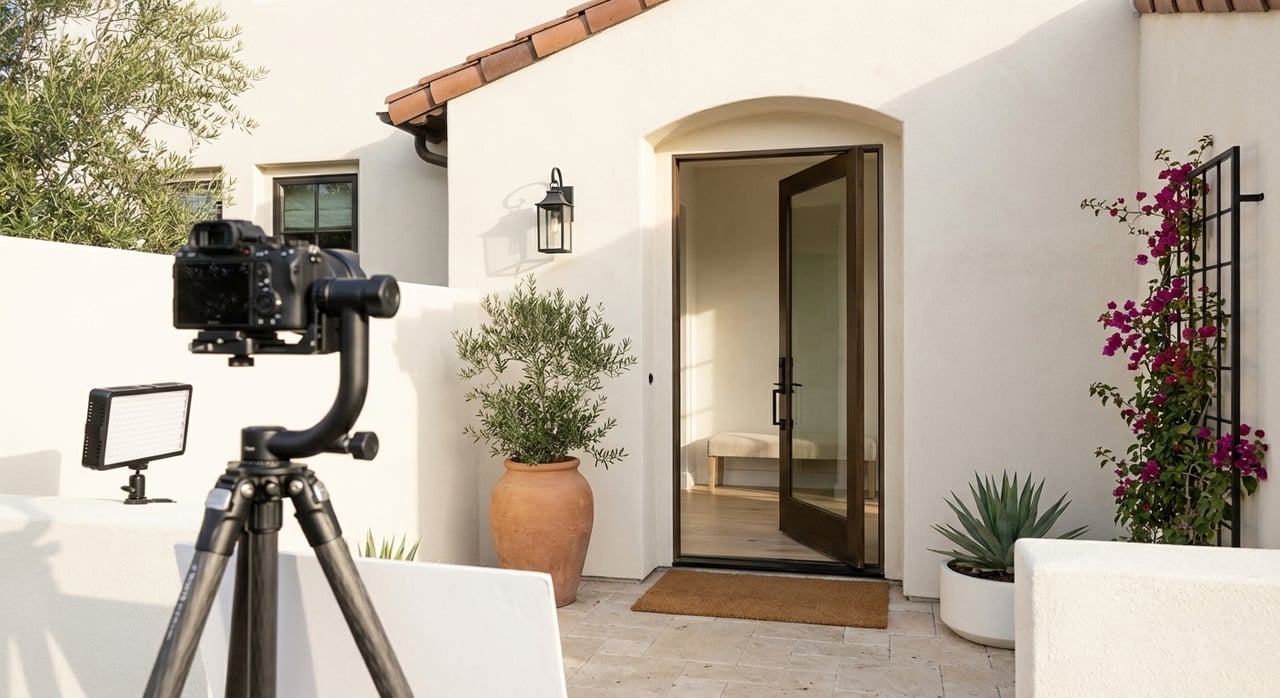
Your first showing happens online. Luxury buyers expect editorial‑grade visuals that convey architecture, light, and lifestyle. Aim for a twilight hero shot, 25 to 40 high‑quality photos, interior detail images, and drone aerials that capture the lot, views, and proximity to the coast.
Cinematic video is now a staple in luxury. A guided walkthrough lends pace and emotion, while a separate, shorter cut works well for social placements. Typical price ranges vary by package and property size. Review national benchmarks for photography and add‑ons in this real estate photography pricing guide, and see 3D capture ranges below.
Add 3D tours and floor plans
3D tours, floor plans, and high‑resolution site plans reduce friction for out‑of‑area and international buyers. They increase time spent engaging with your listing and help agents pre‑qualify tours. For pricing guidance, see typical rates for 3D tours and related services in this Matterport and media overview.
Host your visuals on a branded property page, and make links easy for broker sharing. If you virtually edit any images, keep an original reference version on file and label edits to align with MLS requirements.
Build a strategic distribution plan
Start with MLS, then extend
Launch with a complete, MLS‑compliant package that includes professional photos, video, floor plans, and a property microsite. Syndication will push your listing to major portals. Pair that with a private broker preview during launch week to seed early feedback and momentum.
Tap into global luxury networks
Affluent buyers often discover homes through curated networks and luxury portals. Platforms such as Luxury Portfolio International expand reach to qualified, high‑net‑worth audiences and global referral partners. Learn how this exposure works through Luxury Portfolio International’s overview.
For select trophy listings, brand networks and editorial partners can unlock premium placements on respected publishers. Many luxury brokerages detail approaches to publisher partnerships, social storytelling, and campaign sequencing. For strategy context, review this luxury marketing playbook summary.
Execute broker‑to‑broker outreach
A curated email rollout to top Los Angeles listing agents, national luxury specialists, and past buyer databases is cost‑effective and targeted. Include a premium PDF, property website URL, and a clear call to schedule private showings. Follow with a polished broker open that respects seller privacy while showcasing lifestyle moments buyers will remember.
Plan for international reach when warranted
If your home’s price point and profile suggest global appeal, add translated property pages and selective international portal distribution. International buyers are a consistent piece of the luxury market, and dedicated exposure can help you connect with them. For additional context on why international placements matter, see this industry note on reaching global luxury buyers.
Run compliant digital campaigns
Social and search that fit luxury
Short‑form video on Instagram and Meta, paired with high‑impact imagery and concise CTAs, builds intrigue and drives private‑showing requests. Search and programmatic display can capture high‑intent queries and place your listing on premium inventory around luxury and finance content. For campaign mix ideas across channels, review this luxury real estate marketing playbook.
Targeting within housing ad rules
Housing ads must follow Special Ad Category rules across major platforms. You cannot target or exclude by age or gender, and geographic targeting is limited to broader areas or radiuses. Plan for strong creative, wide geographies, first‑party audiences, and contextual placements. For a clear summary of these rules, see this guide to Meta’s housing ad policies.
Remember to keep language and imagery inclusive. All marketing must align with the Fair Housing Act, which prohibits discriminatory statements or preferences. This quick overview of staying compliant in housing advertising is a helpful starting point.
Email, retargeting, and microsites
Use your agent’s past‑buyer database, national referral lists, and curated brokerage contacts. Retargeting keeps your listing top of mind for people who visited your property website. Maintain a clean, media‑rich microsite that loads fast, hosts your 3D tour, and captures inquiries.
Sample timeline and budget
Four‑week pre‑launch checklist
- Week 4 to 2: Property audit, light repairs, decluttering, stager consultation and contract.
- Week 2 to 1: Staging install, plan virtual staging where useful, capture photos and aerials, schedule twilight, measure for floor plans and 3D tour.
- Week 1: Build the property microsite and press packet, finalize a private broker invitation, set launch day and hold back social teasers.
- Launch week: Broker tour, MLS live, start paid amplification and referral outreach, and coordinate PR where appropriate.
Budget ranges to expect
- Staging for hero rooms: approximately $3,000 to $20,000 depending on scope and rental term. See this virtual vs. traditional staging breakdown.
- Photography with drone and twilight: approximately $300 to $1,500 for premium packages, with higher ranges for large estates. Reference this national pricing guide.
- Matterport or 3D tour: typically $150 to $600 based on property size. Review ranges in this media services overview.
- Cinematic video: approximately $1,000 to $10,000 depending on production values. See the same services overview.
- Property microsite and print collateral: approximately $500 to $4,000.
- Paid digital amplification: $2,000 to $15,000 for the initial 2 to 4 weeks. For channel planning ideas, revisit this luxury playbook.
Quality control, KPIs, and reporting
Set clear success metrics before launch. Primary KPIs often include days on market to pending, number of qualified showings, number of broker leads, offers received, and final sale price relative to list. Digital metrics include listing page views, microsite sessions, video views, ad impressions and click‑through rate, and cost per inquiry.
Request structured feedback after each private tour. Agent comments about presentation, perceived value, and buyer objections help you fine‑tune pricing and marketing. Ask for weekly reporting during the first 2 to 4 weeks, then bi‑weekly until under contract.
White‑glove touches that impress
- Private previews: Invite only, with a briefing sheet and property rules. Focus on qualified buyers and their advisors.
- Concierge open houses: Polished hospitality, gentle music, and staff who know the home’s systems and upgrades.
- Curated events: For select listings, consider a gallery‑style evening or a chef’s tasting to bring the lifestyle to life. Leading luxury playbooks often pair events with film‑quality content to extend reach. See examples of approach in this luxury marketing guide.
Santa Monica specifics to remember
- Pricing is hyperlocal. Use recent comps from your micro‑neighborhood for list strategy, and be ready to adjust if feedback indicates a gap.
- Expect a mix of local and out‑of‑area buyers. Keep 3D tours, floor plans, and a premium microsite front and center.
- If you plan any short‑term rental or hosting while listed, be aware that Santa Monica has strict home‑sharing rules. For an overview, read this summary of Santa Monica’s short‑term rental regulations and verify current requirements with the City.
When you want a boutique, results‑driven approach that blends premium presentation with national reach and trusted guidance, connect with us. We will tailor a step‑by‑step plan, handle the heavy lifting, and keep you informed every week. Reach out to Vonsale Jackson to start with a free consultation and price analysis.
FAQs
What is the best budget to market a Santa Monica luxury home?
- Many sellers allocate $2,000 to $15,000 for paid media plus $2,000 to $25,000 for creative production, with staging costs set by scope; ask your agent for a custom plan tied to your goals.
How should I stage a North of Montana property for impact?
- Prioritize hero spaces like the living room, kitchen, dining, and primary suite, then use selective physical staging and virtual staging for secondary rooms, following MLS labeling rules.
How do housing ad rules change my social targeting?
- Platforms limit detailed targeting for housing, so plan broad geographies, inclusive language, first‑party audiences, and strong creative to comply while reaching qualified buyers.
Do I need a 3D tour if most buyers are local?
- Yes, 3D tours and floor plans increase engagement and help busy or out‑of‑area decision makers preview efficiently, which can speed up qualified showings.
How long does it take to prepare before going live in the MLS?
- Most luxury listings benefit from a 2 to 4 week prep window for repairs, staging, media capture, and microsite creation before a coordinated launch.
How will my agent reach international buyers for a Santa Monica listing?
- Your plan should include global luxury networks, curated broker outreach, translated property pages where warranted, and media that travels well, such as cinematic video and 3D tours.