
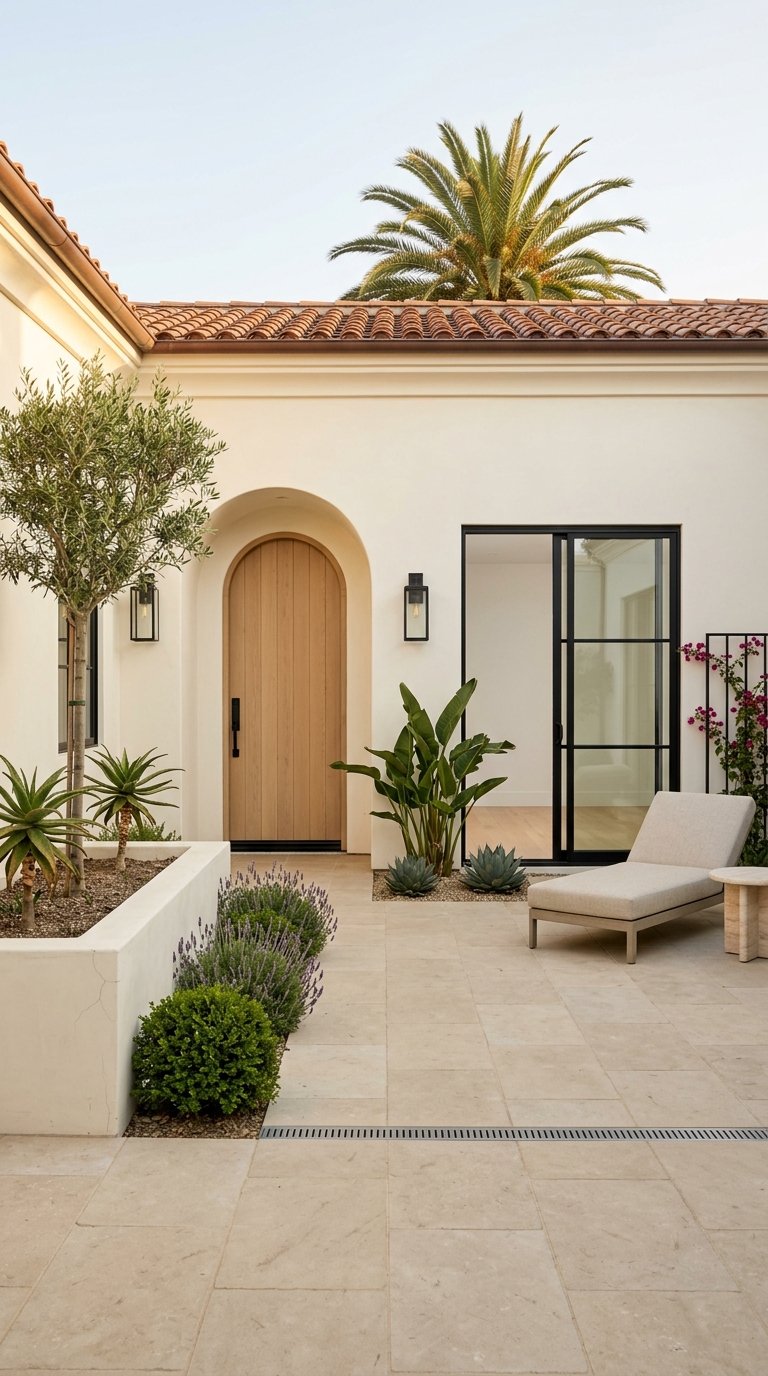
Remote work sounds flexible until your home setup, your neighborhood, and your daily routine stop working together. If you are thinking about Santa Monica, you are probably not just asking where you can live near the coast. You are asking whether your day-to-day life can feel productive, connected, and easy. This guide walks you through what remote-friendly living in Santa Monica’s coastal neighborhoods really looks like, so you can search with more clarity and confidence. Let’s dive in.
Why Santa Monica Works for Remote Living
Santa Monica packs a lot into just 8.3 square miles. The city combines free public Wi-Fi, a high-speed fiber optic network, and broad household internet access, with 94.1% of households reporting a broadband Internet subscription in 2020 to 2024. For remote and hybrid professionals, that creates a strong baseline for working from home.
It also helps that Santa Monica supports more than just at-home work. The city reports 9,826 businesses, along with a large creative and technology sector and a busy daytime population shaped by employees, visitors, and shoppers. That mix gives the city an active, connected feel during the workweek instead of a purely residential rhythm.
If your schedule includes occasional in-person meetings, transportation is another plus. Big Blue Bus serves the city, and the Metro E Line directly serves Santa Monica Pier and other central destinations. That means you can build your routine around flexibility instead of depending on a car for every trip.
What Coastal Daily Life Feels Like
One of Santa Monica’s biggest advantages for remote living is how easy it is to step away from your screen without losing momentum. The city operates 32 parks across more than 130 acres, and Santa Monica State Beach spans 245 acres along a three-mile stretch of coastline. For many remote workers, that means a quick walk, bike ride, or outdoor break can become part of the workday.
Palisades Park adds more than 26 acres of bluff-top walking space along Ocean Avenue. If you like the idea of resetting between calls or taking a lunchtime walk with ocean views, that kind of access can shape your routine in a meaningful way. Small breaks tend to feel more restorative when outdoor space is built into the neighborhood.
Errands also feel more manageable in parts of Santa Monica that blend residential and commercial activity. The Ocean Avenue Project creates a continuous protected route from the Downtown Santa Monica Metro station to the beach, connecting major bikeways along the way. Main Street Al Fresco also reshaped street space to support outdoor dining, shopping, and recreation, which adds to the city’s work-near-home appeal.
Best Santa Monica Neighborhood Fits
Choosing the right neighborhood is less about finding a single “best” area and more about matching your work style to the local pattern of daily life. In Santa Monica, different coastal neighborhoods support remote living in different ways.
Downtown Santa Monica
Downtown is the strongest fit if you want an urban, walkable routine near the beach. The city describes downtown as a thriving neighborhood, public gathering space, business district, and residential neighborhood. For you, that can mean easier access to errands, transit, coffee shops, and workspace alternatives without much planning.
This area may appeal if you like energy around you during the day. It is often the most practical option for people who want to leave the house, work nearby, and stay connected to city activity. If your ideal setup includes convenience and flexibility, Downtown deserves a close look.
Ocean Park
Ocean Park can be a strong match if you want beach proximity with neighborhood-serving commerce. The city highlights pedestrian- and bicycle-oriented street improvements, along with libraries, commercial districts, and access to Clover Park. That creates a balanced feel for buyers who want movement and amenities without the pace of a denser core.
Ocean Park Boulevard is described by the city as a vibrant corridor with four public schools, two libraries, three commercial districts, and Clover Park. In practical terms, that means your workday can include useful stops and backup options close to home. It is often a smart area to consider if you want convenience with a more neighborhood-oriented rhythm.
Sunset Park
Sunset Park tends to feel more residential and semi-suburban. City planning documents describe tree-lined streets, a mix of single-family and low-density multifamily housing, and access to Pico, Ocean Park Boulevard, and Lincoln Boulevard corridors. If you want a calmer home base and are willing to trade some walkability for a more residential setting, this area may fit well.
For remote workers, Sunset Park can make sense when home comfort comes first. If your priority is having room for a true office, a quieter setting, or a more traditional neighborhood pattern, this is one area to compare carefully.
North of Montana
North of Montana is described in city housing documents as predominantly lower-density, with single-family or low-density housing on larger parcels and tree-lined streets. That points to a more residential environment and a different pace from Downtown or Ocean Park.
If you are searching for space, privacy, and a lower-density setting, this area may stand out. It can be especially relevant if your remote routine depends on quiet, natural light, and a home layout that supports focused work over all-day movement around commercial corridors.
Where You Can Work Beyond Home
Even if you love your home office, most remote workers still need backup space. Santa Monica gives you several practical options, which can make a big difference when you need a change of scenery, a place for meetings, or a more structured workday.
The city’s business directory lists coworking options including BLANKSPACES Downtown Santa Monica, Cross Campus, Beach House CoWork on Main Street, and SPACES on Colorado Avenue. BLANKSPACES lists amenities such as Wi-Fi, bike parking, conference rooms, and private offices. That kind of variety can help you build flexibility into your routine from the start.
The Santa Monica Public Library is another useful option. Cardholders can reserve study rooms and workspaces, with workspace reservations available for four-hour sessions. If you want a low-cost backup for focused writing, private calls, or a productive afternoon away from home, that is a meaningful local resource.
Cafe culture also supports the work-from-anywhere lifestyle. The city’s business directory includes Café Lovi with outdoor seating and Wi-Fi, Unurban Coffeehouse with Wi-Fi, Dogtown Coffee in Ocean Park, and other spots such as Lo/Cal coffee and market and Ocean Cafe. While every person works differently, having these choices nearby can make remote life feel less isolated.
What Buyers Should Prioritize First
Santa Monica’s coastal appeal is real, but so is the cost of entry. Census QuickFacts show an owner-occupied housing rate of 27.9%, a median gross rent of $2,402, and a median value of owner-occupied housing units of $1,755,500 in 2020 to 2024. Median monthly owner costs with a mortgage exceed $4,000, which is why clear priorities matter early in your search.
If you work from home regularly, beach access alone should not drive your decision. In many cases, the better question is whether a home supports your actual routine five days a week. A beautiful location matters, but layout and function usually matter more once daily life begins.
Focus on features that directly support remote work, such as:
- A dedicated office or flex room
- Reliable broadband access
- Natural light for long workdays
- Quiet exposure within the building or on the lot
- A realistic parking plan for occasional commuting
- Access to transit if you want car-light flexibility
The city’s housing element also notes that density is concentrated toward the center of the city and along major transportation corridors, while the north and south ends have more single-unit zoning. North of Montana and Sunset Park are primarily zoned for single-family homes, while parts of Sunset Park include a mix of single-family and multifamily housing. That planning pattern can help explain why your home search may feel very different from one neighborhood to the next.
Accessory dwelling units are also legal on many residential and mixed-use properties. For some buyers, that opens the door to a separate office, guest suite, or future rental flexibility. If that is part of your long-term plan, it can be worth discussing early while narrowing your options.
How to Search Smarter in Santa Monica
A smart Santa Monica home search starts with your weekday habits, not just your weekend wishlist. Before you compare listings, think through how often you work at home, how often you leave for meetings, and how much convenience you want within walking or biking distance.
It can help to rank your needs in order. For example, you may decide that a true workspace and quiet setting matter more than being a few blocks closer to the beach. Or you may decide that access to Downtown, Main Street, or the Metro E Line is worth a smaller footprint because you want more flexibility outside the home.
This is where a white-glove, advisory approach matters. In a market as layered as Santa Monica, the right fit is often not the most obvious listing. It is the property that supports how you actually live and work every day.
If you are weighing Santa Monica’s coastal neighborhoods and want a more tailored strategy, Vonsale Jackson can help you define what matters most and navigate your options with clarity, care, and local insight.
FAQs
What makes Santa Monica good for remote work?
- Santa Monica supports remote living with free public Wi-Fi, a high-speed fiber optic network, strong household broadband access, coworking options, library workspaces, and a transit network that helps with hybrid schedules.
Which Santa Monica neighborhood feels most walkable for remote workers?
- Downtown Santa Monica and Ocean Park are often the strongest fits if you want errands, cafes, outdoor space, and workspace alternatives close together.
Is Santa Monica practical for hybrid commuters?
- Yes. Big Blue Bus serves the city, and the Metro E Line directly serves Santa Monica Pier and other central destinations, which can make occasional in-person commuting more manageable.
Where can you work outside the home in Santa Monica?
- You can use local coworking spaces listed by the city, reserve workspaces at the Santa Monica Public Library, or work from cafes in areas such as Downtown and Ocean Park.
What should buyers look for in a remote-friendly Santa Monica home?
- Buyers should usually prioritize a dedicated workspace, reliable broadband, natural light, quiet surroundings, and a workable parking or transit plan before focusing on beach proximity alone.
Are there more residential Santa Monica neighborhoods for remote living?
- Yes. Sunset Park and North of Montana generally offer more residential, lower-density settings than Downtown and can appeal if you want a quieter home base.