
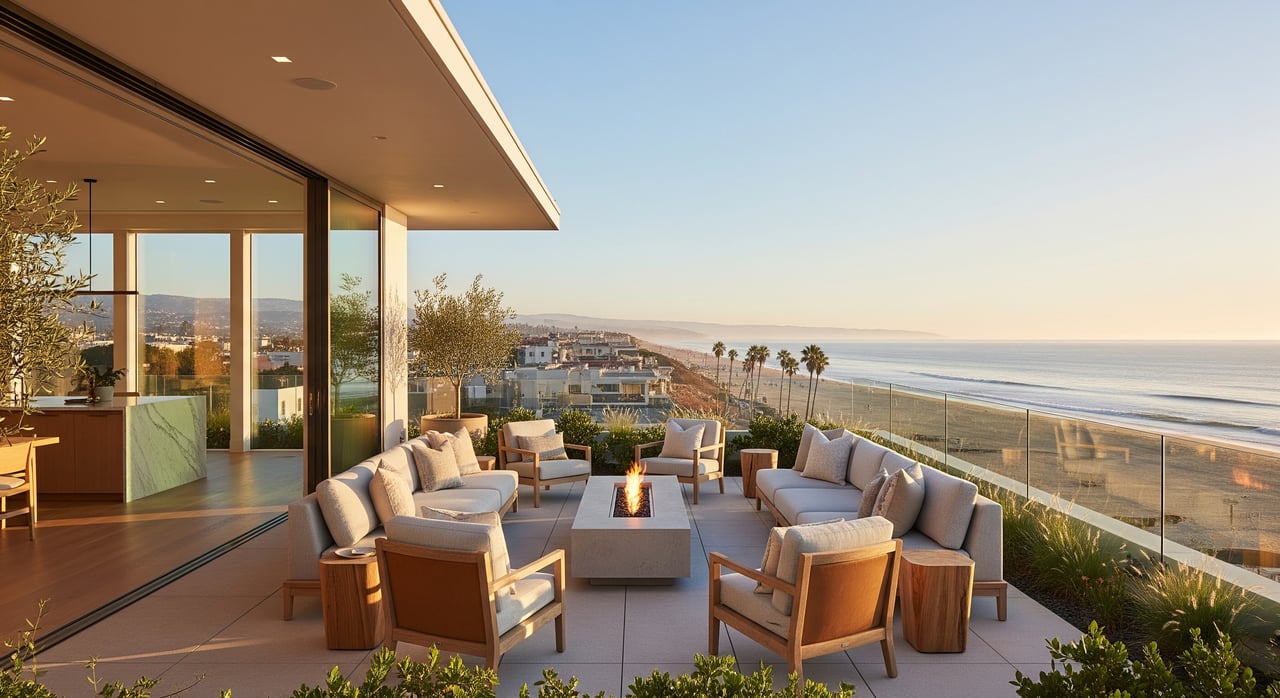
Thinking about trading your commute for ocean air and sunset walks? If you are considering Santa Monica, you are not alone. The city blends a relaxed beach vibe with big-city convenience, which can make choosing the right neighborhood feel overwhelming. In this guide, you will see what day-to-day life looks like, how neighborhoods differ, what housing really costs, and the rules and transit options that shape your routine. Let’s dive in.
Santa Monica at a glance
Santa Monica is a mid-sized coastal city on Los Angeles’s Westside with roughly 90–95k residents. It sits at the heart of “Silicon Beach,” so you will notice a mix of tech, creative, and tourism activity. Home prices and rents are typically higher than Los Angeles County averages, and the cost of living reflects that premium. The climate is mild and coastal, with ocean breezes and cooler evenings compared to inland LA.
Neighborhood feel and daily life
Santa Monica is compact, but each area has a distinct rhythm. If you want walkability, Downtown near Third Street Promenade and parts of Ocean Park put groceries, cafes, and services within a few blocks. You will find more space and a quieter residential feel in North of Montana and Santa Monica Canyon, where single-family homes and tree-lined streets set the tone. Near the beach and the Pier, expect higher foot traffic, delivery activity, and parking pressure, especially on weekends.
Walkable hubs
- Downtown and Civic Center offer dense retail, dining, and entertainment.
- Main Street and sections of Ocean Park have local cafes, boutiques, and daily services.
- Mid-City and the Bergamot area mix creative offices, galleries, and mid-rise housing.
Quieter residential pockets
- North of Montana and Santa Monica Canyon have larger lots and a more suburban feel.
- Interior residential streets that sit a few blocks off major corridors tend to be calmer.
Noise and crowds
- Proximity to the Promenade, Pier, and beach usually means more street activity and delivery noise.
- Locals often time errands and beach visits earlier in the day or choose less touristy stretches of sand.
Beach and outdoor lifestyle
Santa Monica State Beach is a true daily amenity. Mornings often begin with runs on the sand, bike rides, or yoga near the water. The Marvin Braude Bike Trail connects Santa Monica to Venice and beyond, making it easy to ride for recreation or quick trips. You will see surfing, paddleboarding, and beach volleyball most days, with lifeguards and public facilities that support active use.
Dining, shopping, and culture
The food scene ranges from casual beachside cafes to upscale restaurants, with plenty of health-oriented options. Third Street Promenade and Santa Monica Place offer national retailers alongside independent shops. Smaller corridors like Montana Avenue and Main Street highlight neighborhood boutiques. Arts and culture show up in galleries around Bergamot, performance spaces, film festivals, and frequent public art. Wellness is part of the lifestyle too, with a high concentration of fitness studios, yoga, and specialty grocers.
Housing options and costs
You will find a mix of single-family homes, low and mid-rise condos, apartments, and newer luxury developments near Downtown. Buyers who want a walkable, urban feel often choose condos or lofts close to the Expo Line terminus or Ocean Park. If you prefer yard space and quieter streets, North of Montana and pockets near Santa Monica Canyon are common targets. Entry points tend to be smaller condos away from the beach, though even those reflect Santa Monica’s premium pricing.
Rentals vs. ownership
Rental demand is strong thanks to the local workforce, students, and proximity to the coast. Ownership markets track broader Westside trends, with values reflecting beach access and walkability. Condos often include HOA fees that cover amenities and maintenance, which is an important factor when comparing monthly costs.
Local housing rules to know
Understanding local rules will help you choose the right property and plan your budget.
Rent control basics
Santa Monica operates a Rent Control system that covers many multi-unit buildings, typically those built before a certain cutoff year. The Rent Control Board oversees allowable rent increases, just cause eviction standards, and relocation fees. If you are buying a tenant-occupied property, these rules can affect cash flow and transition plans.
Short-term rentals
Short-term rental activity is tightly regulated. In general, you can only rent a portion of your primary residence and must follow registration and fee requirements. If you are thinking about an STR income strategy, expect strict enforcement and limits on non-owner-occupied rentals.
Zoning and HOAs
Coastal planning and neighborhood overlays limit density in many areas, so new supply is constrained. Condos and new developments often include HOA rules that shape renovations, leasing, and day-to-day use. Review HOA budgets, reserves, and any special assessments as part of your due diligence.
Getting around and commuting
Santa Monica is one of the more transit-friendly and bike-friendly parts of LA, which can reduce car dependence.
Transit options
- The Metro E Line connects Downtown Santa Monica to Downtown LA and job centers in between.
- Big Blue Bus provides frequent service within Santa Monica and to nearby Westside neighborhoods.
- Regional buses link to key hubs and connect indirectly to LAX.
Biking and walking
- The beachfront path is a major corridor for cycling and running.
- Many central streets offer protected bike lanes and ample bike racks.
- Walkability is high in the core, so daily errands can often be done on foot.
Driving and parking
- Access to the I-10 and I-405 supports regional trips but can be congested at peak times.
- Downtown, beach, and Promenade areas use metered parking and municipal lots.
- Residential permit parking helps manage spillover on neighborhood streets near high-traffic zones.
Schools and education
Santa Monica is served by the Santa Monica-Malibu Unified School District, including elementary and middle schools and Santa Monica High School. School offerings differ by neighborhood and grade level, and enrollment policies can vary. Santa Monica College is a large community college known for strong transfer pathways and continuing education programs. There are also many private preschools and daycare options, where waitlists may be common.
Safety and services
Like any city, crime patterns vary by block and are influenced by tourism, with property crimes more common in busy parking and visitor areas. Many residents review recent police data and city safety resources when choosing a block. Local public safety services focus on both tourist zones and residential areas. You will also find a wide range of hospitals, urgent care centers, and specialty clinics within Santa Monica and nearby West LA.
Climate and maintenance
Expect a temperate, Mediterranean climate with frequent marine layer in late spring, cooler evenings, and a steady ocean breeze. The coastal environment can affect maintenance, especially for properties close to the water. Salt air may increase wear on metal, paint, and HVAC systems, so plan for more frequent upkeep. If you are eyeing a property very close to the coastline, review local coastal planning resources to understand long-term adaptation and flood considerations.
Is Santa Monica right for you?
Santa Monica fits you if you value beach access, walkability, and a lively dining and cultural scene. It also works if you want transit options and a shorter commute to Westside job centers. You should be comfortable with higher housing costs and seasonal crowds in tourist areas. If you want larger lots and quieter streets, focus on interior residential blocks and North of Montana.
How to choose your block
Use this quick checklist to narrow your search.
- Define your daily routine. Will you walk to coffee, the gym, and groceries, or do you prefer a quieter cul-de-sac?
- Decide on noise tolerance. If crowds will bother you, look several blocks away from the Pier and Promenade.
- Clarify commute needs. If you use the E Line, live near the terminus or feeder routes. If you drive, test your route at rush hour.
- Align housing type to lifestyle. Condos near Downtown trade space for convenience. Single-family homes deliver yard and privacy.
- Review rules and costs. Check rent control impacts for tenant-occupied buildings, HOA budgets and fees, and short-term rental limits.
- Inspect for coastal wear. Budget for maintenance on exteriors, windows, and systems, especially close to the water.
Next steps
If Santa Monica matches your goals, the next move is a neighborhood-level plan. A thoughtful preview tour at different times of day will reveal block-by-block differences in noise, parking, and foot traffic. You will also want a clear view of HOA rules, rental regulations, and the true monthly cost of ownership.
For bespoke guidance and a smooth search, connect with Vonsalé Realty Group. We pair boutique, white-glove representation with powerful market reach, and we support buyers, sellers, renters, and relocation clients across price points. Start with a strategy call and a custom neighborhood plan. Work directly with Vonsale Jackson to chart your path in Santa Monica today.
FAQs
What is the real cost of living in Santa Monica for new buyers?
- Home prices and rents are generally higher than Los Angeles County averages, and condos often include HOA fees that should be factored into your monthly budget.
How crowded does Santa Monica get near the Pier and Promenade?
- Expect heavy foot traffic on weekends and summer afternoons, with more noise and parking pressure close to the beach and tourist corridors.
Can I rely on public transit for a Santa Monica to Downtown LA commute?
- Many residents use the Metro E Line for trips to Downtown LA and job centers along the route, supplemented by Big Blue Bus for local connections.
Are short-term rentals a realistic income strategy in Santa Monica?
- Short-term rentals are strictly limited to specific owner-occupied situations with registration and fees, so they are not a broad investment strategy.
Which Santa Monica neighborhoods feel quieter for residential living?
- Interior residential blocks and areas like North of Montana and Santa Monica Canyon tend to offer a calmer, more suburban feel compared to the immediate beach and Downtown core.